








- trading14
Comprehensive Courses for Forex Trading: Master the Currency Market
In the ever-evolving world of finance, courses for forex trading Philippines Brokers play a crucial role in providing the necessary support and resources for aspiring traders. Forex trading, or foreign exchange trading, has gained immense popularity among investors seeking to diversify their portfolios. But succeeding in this dynamic market requires knowledge, strategy, and experience. This is where forex trading courses come into play. Whether you’re a novice seeking to understand the basics or an experienced trader looking to refine your skills, there are ample courses available to assist you on your journey. In this article, we will delve into the various aspects of forex trading courses, their benefits, and how to choose the right one for you.
Understanding Forex Trading
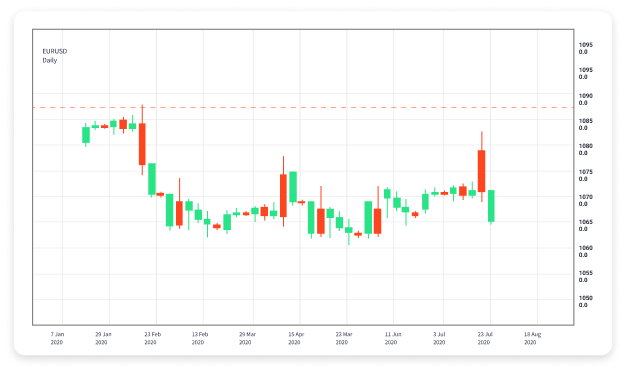
Forex trading involves trading currencies in pairs, taking advantage of fluctuations in their value. For instance, traders might buy the Euro against the US Dollar (EUR/USD) if they expect the Euro to strengthen against the Dollar. Forex operates 24 hours a day, five days a week, allowing traders to buy and sell currencies across global markets. However, as lucrative as forex trading may be, it is also fraught with risk. This volatility necessitates a solid understanding of market dynamics, risk management, and trading psychology, all of which can be learned through forex trading courses.
Benefits of Forex Trading Courses
1. **Structured Learning**: Forex trading courses provide a structured curriculum that guides learners through the fundamental concepts of trading. Unlike self-study, a well-structured course offers a logical progression through topics, allowing for comprehensive understanding.
2. **Expert Instruction**: Most reputable courses are taught by experienced traders or industry professionals. This access to expert knowledge can provide valuable insights that you might not gain from reading articles or watching videos alone.
3. **Hands-On Practice**: Many courses offer practical assignments, simulations, or demo accounts that enable learners to practice what they’ve learned. This hands-on approach enhances retention and understanding of key concepts.
4. **Networking Opportunities**: Enrolling in a forex trading course also connects you with other traders. This community can provide support, share insights, and foster a learning environment where you can grow together.
5. **Access to Resources**: Courses often include additional resources such as trading platforms, tools, and forums, providing traders with a wealth of information and tools to assist in their trading journey.
Types of Forex Trading Courses
Forex trading courses come in various formats, catering to the needs of different learners. Here are some of the most common types:
1. **Beginner Courses**: These are ideal for individuals who are new to forex trading. They cover the fundamental concepts, terminology, and basic trading strategies to set a solid foundation.
2. **Intermediate Courses**: For those who have grasped the basics, intermediate courses delve deeper into technical analysis, advanced trading strategies, and market psychology.
3. **Advanced Courses**: Targeting experienced traders, advanced courses explore complex trading strategies, risk management techniques, and algorithmic trading.
4. **Specialized Courses**: Some courses focus on specific aspects of forex trading, such as day trading, swing trading, or the use of specific trading platforms and tools.
How to Choose the Right Forex Trading Course
With a multitude of forex trading courses available, choosing the right one can be a daunting task. Here are some tips to help you make an informed decision:
1. **Define Your Goals**: Before selecting a course, outline your trading goals. Are you starting from scratch, or do you have experience? Your objectives will guide you in choosing an appropriate course level.
2. **Research Instructors**: Look for courses taught by experienced traders or recognized experts in the field. Check their credentials, background, and reputation within the trading community.
3. **Read Reviews**: Online reviews and testimonials from previous students can provide insights into the course quality, materials, and overall learning experience. This feedback can help you gauge whether the course meets your expectations.
4. **Consider Course Format**: Determine which format suits your learning style best. Do you prefer live classes, webinars, or pre-recorded videos? Additionally, check whether the course includes hands-on practice and real-time trading simulations.
5. **Evaluate Cost vs. Value**: While many forex trading courses charge substantial fees, it’s essential to evaluate the value they offer. Look for courses that offer comprehensive content, support, and resources for a reasonable price.
Popular Platforms for Forex Trading Courses
Several reputable platforms offer excellent forex trading courses. Here are a few you might consider:
1. **Udemy**: A popular online learning platform, Udemy hosts various forex trading courses catering to different skill levels. You can find courses focused on technical analysis, trading strategies, and even psychology of trading.
2. **Coursera**: Partnering with universities and organizations, Coursera offers a range of courses on finance and trading, including forex trading. Courses often come with certification upon completion.
3. **Babypips**: This platform offers a free comprehensive course, “School of Pipsology,” specifically dedicated to forex trading. It’s well-structured and is ideal for beginners.
4. **TradingAcademy**: This platform offers professional trader development programs, including in-person classes, online tutorials, and webinars focused on a variety of trading topics.
The Future of Forex Trading Education
The forex market is continually evolving, and so is the education surrounding it. Blockchain technology, AI, and big data analytics are becoming instrumental in shaping trading strategies and decision-making. As these technologies advance, forex trading courses are likely to incorporate novel tools and methodologies to equip traders with the necessary skills.
Ultimately, investing in forex trading education is a step toward understanding the market better and enhancing your trading performance. As you embark on this exciting journey, remember that continuous learning is vital to your success in the forex trading arena.
Conclusion
In conclusion, education is an essential component of successful forex trading. The right course can significantly enhance your knowledge and trading skills, empowering you to navigate the complexities of the forex market effectively. Whether you’re looking to start fresh, improve your existing capabilities, or specialize in advanced strategies, there’s a forex trading course tailored to your needs. Take your time to research, choose wisely, and embark on a journey toward becoming a skilled forex trader.