








- bestbrokercfd.com
Finding the Best Stock CFD Broker
When it comes to trading in the financial markets, selecting the best stock cfd broker top CFD brokers is crucial to achieving your investment goals. With an ever-growing selection of brokers offering Contract for Difference (CFD) services, understanding what makes a broker stand out is essential for both beginner and experienced traders alike. In this article, we’ll delve into the factors you should consider when choosing a stock CFD broker, as well as highlight some of the best options currently available in the industry.
What is a CFD Broker?
A CFD broker is a financial services provider that allows traders to speculate on the price movements of various assets, such as stocks, commodities, cryptocurrencies, and forex, without having to own the underlying assets. CFDs enable traders to take advantage of both rising and falling markets through long and short positions, making them a popular choice for many investors seeking flexibility and profit opportunities.
Why Choose CFDs for Trading Stocks?
Trading stocks through CFDs presents several advantages:
- Leverage: CFDs allow traders to trade with leverage, meaning they can control larger positions with a smaller investment, potentially magnifying profits.
- Short Selling: Investors can easily take short positions using CFDs to profit from declining stock prices.
- Access to Global Markets: CFDs provide access to a wide range of global markets, giving traders the opportunity to diversify their portfolios.
- Lower Transaction Costs: CFD trading typically involves lower fees compared to traditional stock trading, making it more cost-effective.
Key Factors to Consider When Choosing a Stock CFD Broker
Not all CFD brokers are created equal, and choosing the right one can significantly impact your trading experience and profitability. Here are some critical factors to consider:
1. Regulation and Reputation
Ensure that the broker is regulated by a reputable financial authority, such as the Financial Conduct Authority (FCA), Australian Securities and Investments Commission (ASIC), or Cyprus Securities and Exchange Commission (CySEC). Regulation ensures that the broker operates under strict guidelines and provides a level of protection for traders.
2. Trading Platforms
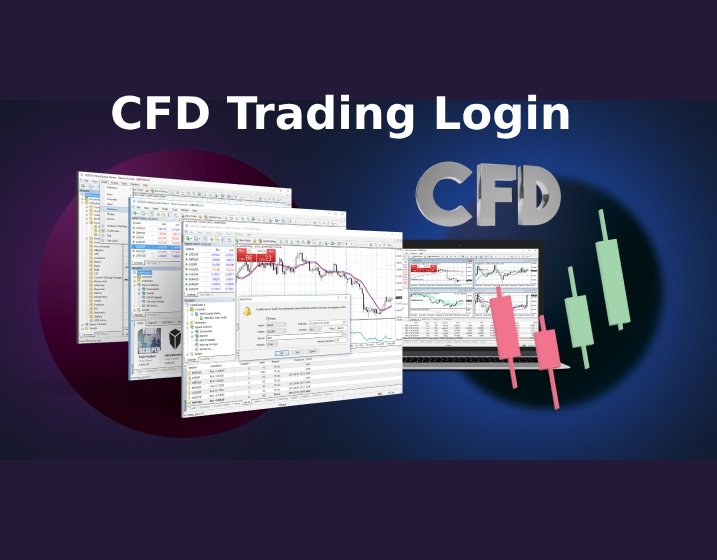
The trading platform is your primary tool for executing trades and managing your portfolio. Look for a broker that offers a user-friendly, stable platform with advanced charting tools, technical indicators, and a flexible interface. Popular platforms include MetaTrader 4, MetaTrader 5, and proprietary platforms tailored to the broker’s services.
3. Asset Selection
Choose a broker who offers a wide array of stocks and other assets for trading. A diverse selection allows for better diversification and more trading opportunities. Additionally, check for any restrictions on trading specific assets.
4. Spread and Fees
Understanding the cost of trading is crucial. Look for brokers that offer competitive spreads and transparent fee structures. Some brokers might charge commissions, while others might have spreads that include their fees. Make sure to calculate the overall costs involved in trading to avoid surprises.
5. Customer Support
Reliable customer support is essential, especially for new traders who may need assistance navigating the trading platform or dealing with technical issues. Choose a broker that offers multiple lines of support, such as live chat, phone, and email options, and has a reputation for timely responses.
6. Educational Resources
A good broker should provide educational materials to help traders develop their skills and knowledge. Look for a broker that offers webinars, tutorials, articles, and market analysis that can assist you in making informed trading decisions.
7. Deposit and Withdrawal Options
Flexibility in funding your trading account and withdrawing profits is essential. Ensure the broker offers multiple payment methods, such as credit/debit cards, bank transfers, and e-wallets. Also, check the processing times for withdrawals and any associated fees.
Top Stock CFD Brokers to Consider
Here are some of the best stock CFD brokers currently available, known for their reliability and excellent services:
1. eToro
eToro is one of the most popular trading platforms globally, known for its unique social trading feature that allows users to copy the trades of successful investors. The broker is regulated by ASIC and CySEC, ensuring a safe trading environment. eToro offers a user-friendly platform, a wide selection of stocks, and a variety of educational resources.
2. Plus500
Plus500 is a well-established CFD broker that provides a robust trading platform and access to over 2,000 tradable instruments, including stocks, indices, forex, and cryptocurrencies. With competitive spreads and no commissions on trades, Plus500 remains a strong choice for traders.
3. AvaTrade
A regulated broker based in Ireland, AvaTrade offers a wide range of trading platforms, including MetaTrader and its proprietary AvaTradeGo app. The broker provides extensive educational materials and has excellent customer support, making it suitable for both novices and seasoned traders.
4. IG Group
IG Group is one of the largest and most reputable CFD brokers in the world. With a diverse range of tradable assets, a powerful trading platform, and high-quality educational resources, IG Group is a great option for traders looking for in-depth analysis and research support.
Conclusion
Choosing the best stock CFD broker can significantly impact your trading success. By considering factors such as regulation, trading platforms, asset selection, costs, customer support, education, and withdrawal options, you can identify the ideal broker that meets your trading needs. Remember to conduct thorough research and take your trading goals into account when making your decision. With the right broker by your side, you’ll be well-equipped to navigate the exciting world of stock CFD trading.